The Rustic Appeal of Wood Log: A Creative Font Guide
There is a certain warmth to natural materials that digital design often struggles to replicate. We spend hours smoothing gradients and perfecting vectors, yet we often find ourselves missing the imperfections of the real world. This is where typography steps in to bridge the gap. If you are looking for a typeface that brings the outdoors into your layout without sacrificing technical precision, the Wood Log typeface is a compelling option. It is a premium font that captures the essence of timber and nature, offering a distinct personality that can elevate a project from standard to memorable.
Visual Characteristics and Personality
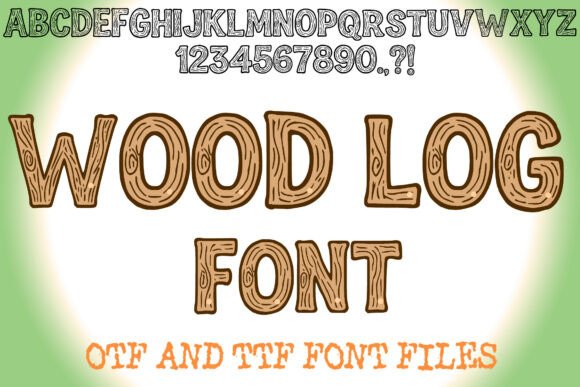
At first glance, Wood Log presents itself as a display font with a heavy, textured presence. It does not mimic the sleek lines of a modern sans serif font, nor does it rely on the ornate loops of a script font. Instead, it sits in a unique category, combining the boldness of a serif font with the organic irregularity of a handwritten font. The letterforms are constructed to look like stacked timber or carved logs, giving the text a three-dimensional quality that pops off the screen.
The "quirky" nature of the font comes from its texture. It avoids looking sterile. In the world of modern typography, clean and minimal is often the goal, but Wood Log embraces the opposite. It celebrates grit. The edges are rough, and the fill often includes grain-like details that suggest wood pulp or bark. This makes it an excellent creative font for projects that need to feel handmade or artisanal. It has a voice that speaks of craftsmanship, sturdy construction, and a connection to the earth.
Where This Font Shines: Real-World Applications
Understanding where to use a font like Wood Log is just as important as liking how it looks. Because it is a high-impact typeface, it works best in specific contexts. It is not designed for long paragraphs of body text; rather, it is built for headlines, logos, and branding elements that need to make an immediate impression.
Branding and Packaging
For small business owners and entrepreneurs, brand identity is everything. If you run a coffee roastery, a craft brewery, a beard oil company, or a woodworking shop, this font speaks your language instantly. Using Wood Log in your logo design or packaging design immediately sets a tone of authenticity. It tells your customer that your product is likely natural, handcrafted, or inspired by the outdoors. It bypasses the need for a long description; the visual style does the heavy lifting.
Digital and Editorial Content
In the realm of web design and editorial design, this font serves as a powerful accent. Imagine a lifestyle blog covering hiking, camping, or sustainable living. Using Wood Log for article headers or pull quotes can break up the monotony of standard web fonts. It adds a layer of visual interest that keeps readers engaged. Similarly, for social media graphics, where you have only a split second to grab attention, a bold, textured font can stop the scroll. It is particularly effective for seasonal campaigns, such as autumn sales or winter holiday promotions, where a rustic aesthetic is desirable.
Practical Guidance for Designers and Creators
While the aesthetic is appealing, practical application requires a bit of strategy. As a commercial font, Wood Log comes with specific features and licensing that you need to understand to use it effectively.
Evaluating Font Pairings
One of the most common questions in typography is how to pair fonts. Because Wood Log is so distinct, it needs a partner that can step back and let it shine. You generally want to avoid pairing it with other decorative or handwritten fonts, as this will create visual clutter. Instead, look for a clean, geometric sans serif font for your subheadings and body copy. A neutral font like Roboto, Open Sans, or Lato provides a modern contrast that highlights the rustic texture of the headline without competing for attention. This contrast creates a clear visual hierarchy, guiding the reader's eye from the headline to the details.
Readability and Layout
When working with textured display fonts, readability is a key consideration. Wood Log is highly legible at large sizes, which is exactly what it is designed for. However, if you try to shrink it down to 12-point size for a paragraph, the texture might become muddy and hard to read. My advice is to keep it big. Let the letters breathe. Use ample spacing (tracking) if you are setting a long headline, as the irregular shapes can sometimes feel crowded if the letters are too tight. This ensures that the brand perception remains professional rather than chaotic.
Licensing and Asset Management
Before incorporating any design assets into a commercial project, always review the licensing. Most premium fonts like Wood Log offer different tiers for desktop use, web use (often measured by pageviews), and app use. Ensuring you have the correct license protects your business and supports the type designers who create these tools. Furthermore, check if the font includes extra glyphs or alternate characters. Many high-quality fonts include stylistic alternates that can help you customize the look of your logo or headline, ensuring your brand identity feels unique.
Ultimately, Wood Log is more than just a collection of letters; it is a vibe. It is a tool for storytellers who want to ground their digital presence in something tactile and real. Whether you are designing a menu for a farm-to-table restaurant or creating a header for a nature photography portfolio, this font offers a reliable way to inject personality and warmth into your work.