The Electric Glow: Using Neon Signs Font for Maximum Impact
Why This Typeface Cuts Through the Noise
If you have ever walked down a city street at dusk, you know the magnetic pull of a glowing neon sign. It demands attention not just through brightness, but through a distinct, retro-modern aesthetic. Translating that energy into typography is no small feat, yet the Neon Signs typeface manages to capture that electric vibe perfectly. This isn't just another display font; it is a creative font designed to simulate the visual weight and luminosity of gas-discharge tubes. For designers and business owners, this specific typeface offers a shortcut to nostalgia and excitement. It bypasses the brain's filters and hits the viewer with an immediate emotional response, making it a powerful addition to your library of design assets.
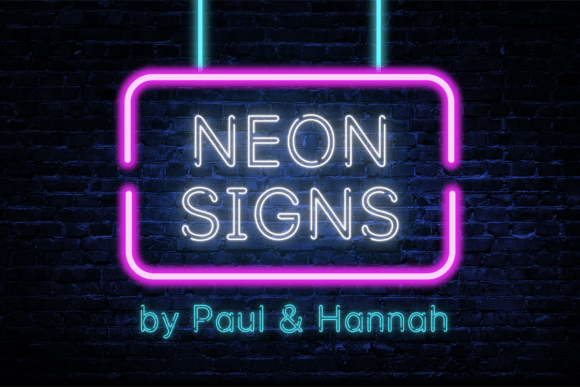
Visually, the font relies on high contrast and implied lighting effects. The letterforms often feature the classic "stencil" breaks found in real neon tubing, which allows for negative space to breathe within the characters. This spacing is critical; without it, the text would look like a solid block rather than a light source. The personality of the Neon Signs font is inherently energetic and somewhat rebellious. It speaks to nightlife, entertainment, food, and bold personal statements. However, its appeal lies in its versatility. While it screams "bar" or "arcade," it can also be tweaked through color and context to fit high-end brand identity projects that want to appear edgy and contemporary.
Strategic Applications: From Storefronts to Social Feeds
Knowing where to deploy this premium font is just as important as choosing it. Because it is a distinct display font, it fails miserably as body copy but shines brilliantly as a headline maker. In packaging design, a few words set in Neon Signs can instantly communicate the flavor profile of a product—think spicy sauces, energy drinks, or craft beers. It creates a focal point on the shelf that competitors using standard sans serif fonts cannot match. For editorial design, such as magazine covers or feature headers, it brings a kinetic energy to the page, particularly for articles about culture, music, or modern lifestyle.
For digital creators, the application is even broader. Social media graphics rely heavily on stopping the scroll. A bold title in this font can increase engagement on platforms like Instagram or TikTok because it mimics the visual language of viral content. In web design, it should be used sparingly—perhaps for a hero section headline or a call-to-action button—to avoid overwhelming the user interface. Small business owners can utilize this neon signs font for event flyers, menu headers, or merchandise logo design. It is particularly effective for seasonal promotions, such as holiday sales or summer parties, where the mood needs to be set instantly.
Mastering Readability and Visual Hierarchy
One of the biggest pitfalls with stylized typography is sacrificing readability for style. With the Neon Signs typeface, you must be vigilant about contrast. Because the font implies light, placing it on a white background often kills the effect. It requires dark backgrounds to simulate the look of a glowing tube. When establishing your visual hierarchy, reserve this font exclusively for H1 or H2 tags. It is not a script font or a handwritten font that flows easily; it is architectural and rigid. If you use it for short, punchy phrases, the impact is massive. If you use it for a full sentence, the reader will fatigue quickly.
Furthermore, the font influences brand perception. Using Neon Signs tells your audience that your brand is fun, accessible, and perhaps a bit nostalgic. If you are a law firm, this is the wrong choice. If you are a retro gaming cafe or a modern marketing agency, it signals professionalism within that specific niche. To ensure consistency, pair this display typeface with a clean, neutral font. A geometric sans serif font or a simple serif font works best for the supporting text. The contrast between the complex display type and the simple body copy creates a balanced rhythm that keeps the design grounded.
Practical Guide to Evaluation and Licensing
Before you integrate this asset into your workflow, you need to evaluate the technical details. Check the character map of the Neon Signs font file. Does it include multilingual support? Does it have ligatures or alternate glyphs? These extras can elevate your logo design from generic to custom-looking. When testing font pairing, mock up your layout at full scale. Look at how the kerning (spacing between letters) behaves at large sizes, as display fonts often require manual adjustment to look optically correct.
Finally, do not overlook the legal side. If you are using this for a client project or selling merchandise, you need a commercial font license. Most free versions found online are for personal use only and can lead to legal headaches later. Investing in a legitimate premium font ensures you get updates, support, and the legal right to use the work commercially. By treating the Neon Signs typeface as a strategic tool rather than just a visual toy, you can leverage its unique glow to illuminate your projects and connect with your audience on a visceral level.