Carest: A Modern Sans Serif for Sharp, Clean Design
When you're building a brand, a website, or a marketing campaign, the typeface you choose does more than just display words. It sets a tone. It communicates a feeling before a single sentence is fully read. This is where a font like Carest comes into play. It’s a sleek, modern sans-serif font built for clarity and contemporary appeal. Think of it as the digital equivalent of a well-tailored suit—clean, confident, and without unnecessary ornamentation.
The Visual Character of Carest
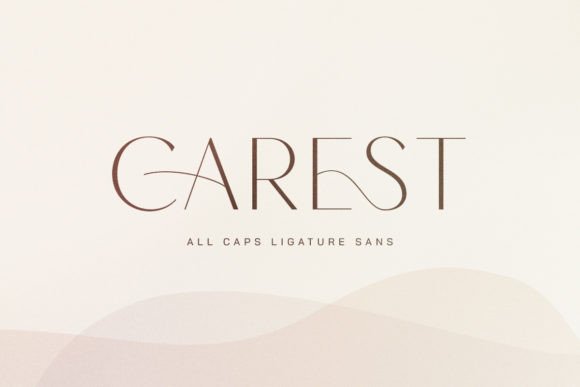
At its core, Carest is defined by simplicity. Its letterforms are geometrically balanced, with consistent stroke widths and open apertures that give it an airy, approachable feel. There’s no contrast between thick and thin strokes, which is a hallmark of many traditional serif fonts. Instead, its uniformity contributes to a sense of stability and modernity. The terminals are clean, the curves are precise, and the overall aesthetic is one of refined minimalism. This isn't a typeface that shouts; it speaks with quiet confidence.
This design personality makes Carest incredibly versatile. It doesn’t impose a strong historical or cultural reference like a script font or a classic serif might. Instead, it acts as a neutral yet sophisticated canvas. It can feel corporate and professional for a financial tech startup, or it can feel fresh and minimalist for a lifestyle brand. Its character is chameleon-like, adapting to the context of your other design elements—color, imagery, and layout.
Where Carest Truly Shines: Practical Applications
Understanding a font’s strengths helps you use it effectively. Carest’s clean geometry makes it exceptionally functional in environments where clarity is paramount. Here’s a look at where it works best:
- Digital Interfaces & Web Design: On screens, especially at smaller sizes, readability is king. Carest’s open letterforms and clear distinction between characters (like 'I', 'l', and '1') reduce visual clutter. It’s an excellent choice for UI elements, body text on blogs, and navigation menus where users need to scan information quickly.
- Logo Design & Brand Identity: For a brand that wants to project innovation, transparency, or approachability, Carest is a strong contender. It provides a solid foundation for a brand identity that needs to feel current. Pair it with a distinctive display font or a complementary serif font for headings to create a dynamic and professional system.
- Editorial & Publishing: In magazines, annual reports, or sleek lookbooks, Carest can bring a contemporary edge to layouts. It works beautifully for subheadings, pull quotes, and captions, providing a clean counterpoint to more expressive headline typefaces.
- Marketing & Social Media: Consistency is key in marketing. Using Carest across your social media graphics, email newsletters, and digital ads helps build recognition. Its modern feel aligns well with platforms like Instagram and LinkedIn, where clean, professional visuals are favored.
- Packaging & Product Design: For products targeting a design-conscious audience—think tech accessories, minimalist home goods, or organic skincare—Carest can elevate the packaging. It communicates quality and intentionality without distracting from the product itself.
Making the Decision: Is Carest the Right Font for Your Project?
Choosing a font is a strategic decision, not just an aesthetic one. Before integrating Carest into your workflow, consider these practical steps:
- Evaluate the Project’s Personality: Does your project call for a modern, clean, and versatile aesthetic? If you’re designing for a heritage brand or a whimsical children’s product, a different typeface might be more appropriate. Carest excels when the goal is contemporary clarity.
- Test for Readability in Context: Don’t just look at the font in a design tool. Test it in its intended environment. Set a paragraph of body text for your website mockup. See how it looks on a mobile screen. Check its legibility at the size it will be used on a printed brochure. Good modern typography is functional first.
- Explore Font Pairing: Carest is a team player. It pairs wonderfully with other sans serif fonts of varying weights for hierarchy. For more contrast, try combining it with a elegant serif font for headlines or a subtle handwritten font for accent text. The goal is to create a harmonious system, not a competition.
- Review the Included Styles: A quality premium font like Carest typically comes with a range of weights (Light, Regular, Medium, Bold, etc.) and possibly italic styles. This family gives you the tools to build a clear visual hierarchy—using weight for emphasis instead of just size or color. Check if the package includes the styles you need.
- Understand the Licensing: If you’re using this for a client project, a commercial product, or even your own business website, you need to ensure you have the proper commercial font license. This isn’t just a legal requirement; it’s about supporting the designers who create these essential design assets. Always review the EULA (End User License Agreement) to understand permitted uses.
Beyond Aesthetics: The Impact on Your Audience
The real power of a typeface like Carest lies in its ability to influence perception subconsciously. A consistent use of a clean, professional font builds trust. It signals that a brand pays attention to detail, which can translate to perceived quality in its products or services. In a crowded digital space, this subtle professionalism enhances audience engagement by making content feel more accessible and credible.
Think about the brands you admire. Their typography is never an afterthought. It’s a core part of their recognition. By selecting a thoughtful, versatile creative font like Carest and applying it consistently, you’re not just making things look good—you’re building a coherent visual language that speaks directly to your audience, fosters loyalty, and elevates your entire project from ordinary to exceptional.