Varsity Block: The Definitive Typeface for School Spirit
In the world of modern typography, where trends often lean toward minimalism or delicate handwritten font styles, there remains a powerful demand for typefaces that command attention and exude raw energy. Varsity Block is exactly that kind of creative font. It is a bold, collegiate-style display font that captures the essence of athletic competition, nostalgia, and institutional pride. When you look at this typeface, you don't just read the words; you feel the roar of the crowd and the thrill of the game. It is designed specifically for high-impact scenarios where readability at a distance and immediate emotional recognition are paramount.
The Anatomy of Athletic Typography
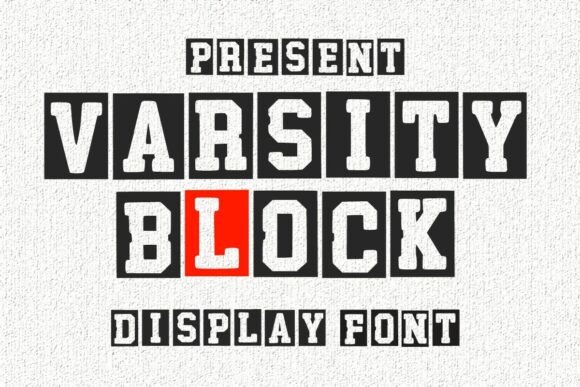
Varsity Block is not merely a collection of letters; it is a carefully engineered design asset built on the principles of heavy industrial construction and classic American sportswear. The defining feature of this display font is its blocky, geometric nature. The letterforms feature high-contrast strokes with thick, heavy verticals that provide immense visual weight. Unlike a standard serif font, which uses delicate feet for elegance, or a sans serif font that prioritizes clean geometry, Varsity Block utilizes sharp, athletic serifs and beveled edges that mimic the look of chiseled wood or molded plastic.
The personality of this typeface is unapologetically loud. It projects strength, stability, and tradition. The tight spacing (or kerning) usually associated with this style creates a unified wall of text that feels cohesive and impenetrable. For designers, this means that Varsity Block is an excellent tool for establishing a strong visual hierarchy. It forces the eye to stop and take notice. While you wouldn't use it for body copy in a novel, it is the undisputed champion for headlines, titles, and branding elements that need to look authoritative.
Strategic Applications for Branding and Design
Understanding where to deploy a premium font like Varsity Block is key to maximizing its value. Its applications extend far beyond simply slapping text onto a high school football jersey. It has become a staple in the toolkit of entrepreneurs, marketers, and content creators looking to tap into themes of heritage, resilience, and community.
- Logo Design and Brand Identity: If you are building a brand identity for a gym, a sports bar, a podcast about history, or a streetwear clothing line, Varsity Block provides an instant foundation. It suggests that the brand is established and trustworthy. It pairs exceptionally well with vintage textures and distressed effects.
- Apparel and Merchandise: The font shines brightest in packaging design and apparel. It is optimized for embroidery and screen printing. The thick, blocky shapes ensure that the design remains legible and maintains its structural integrity even when rendered on fabric or textured surfaces.
- Digital and Web Design: In the realm of web design, this typeface works best as a hero section headline. It grabs attention immediately upon page load. However, due to its heavy weight, it should be used sparingly to avoid overwhelming the user interface.
- Editorial and Event Design: For bloggers and publishers covering sports, fitness, or lifestyle topics, using Varsity Block for pull quotes or section headers can break up the monotony of standard body text. It is also perfect for posters, banners, and social media graphics where you need to communicate event details quickly and excitingly.
Mastering Font Pairings and Visual Hierarchy
One of the most common mistakes in design is using a display font like Varsity Block for everything. To create professional, high-quality work, you must master the art of font pairing. Because Varsity Block is so bold and character-heavy, it requires a counterpart that can step back and let the headline shine. It needs breathing room.
A classic approach is to pair this collegiate style with a clean, geometric sans serif font. The simplicity of the sans serif will contrast with the complexity of the block letters, creating a dynamic visual tension that is pleasing to the eye. Alternatively, if you are going for a more vintage or nostalgic vibe, pairing Varsity Block with a simple serif font can evoke a sense of old-school journalism or classic textbook design. Avoid pairing it with another script font or a highly decorative typeface, as this will create visual chaos and reduce readability.
When evaluating project fit, consider the "voice" of your content. Is your project meant to be gentle, whimsical, or feminine? If so, Varsity Block is likely the wrong choice. This typeface speaks a language of power, grit, and competition. It is perfect for a "Game Day" promotion but less suitable for a wedding invitation or a luxury spa brochure.
Practical Considerations for Creators
Before integrating Varsity Block into your workflow, there are a few technical and practical details to consider to ensure your design assets perform well across different mediums.
- Reviewing Styles and Weights: Check if the specific version of the font includes variations like outlines, drop shadows, or inline styles. Having these variations allows you to create depth in your designs without needing additional software effects. A good premium font family will offer these extras to help you maintain consistency while adding variety.
- Readability and Sizing: As a display font, Varsity Block is designed for large sizes. Never set this typeface at 12px or 14px for paragraphs on a website; it will become muddy and difficult to read. It performs best at sizes above 30px or 40px where the intricate details of the letterforms can be appreciated.
- Color and Contrast: Because the letters are "heavy," they consume more visual space. Ensure high contrast between the text color and the background. White text on a dark background often works best for this style, mimicking the look of stadium scoreboards or classic varsity jackets.
- Licensing: Finally, always verify the commercial font licensing. If you are a small business owner creating merchandise for sale or a designer working on a client campaign, you need to ensure you have the appropriate rights. Using a free font for personal projects is fine, but commercial work usually requires a license to protect both the creator and the client.
Conclusion: Building a Legacy with Type
Typography is one of the most silent yet powerful tools in a creator's arsenal. Choosing a typeface like Varsity Block is a deliberate decision to inject energy, history, and authority into your work. It connects with audiences on a visceral level, triggering memories of pep rallies, championship games, and institutional pride. Whether you are designing a logo for a local startup, creating merchandise for an online store, or laying out a magazine spread, this collegiate style offers a timeless solution for making a bold statement. By pairing it wisely and using it strategically, you can leverage the power of modern typography to build a brand identity that feels both classic and undeniably strong.