Stengkol: The Modern Slab Serif for Bold Branding
In a digital landscape saturated with clean, minimalist sans serif fonts, there is a growing appetite for typefaces that command attention without sacrificing clarity. We are constantly searching for that perfect balance—something that feels substantial and trustworthy, yet retains a contemporary edge. This is precisely where Stengkol enters the conversation. It is not merely a collection of letters; it is a design system built for impact. As a premium font family, Stengkol bridges the gap between the rugged reliability of traditional slab serifs and the sleek sophistication required by modern marketing.
The Anatomy of a Heavyweight Typeface
Understanding the visual weight of Stengkol is essential for any designer or entrepreneur. Slab serif fonts have historically been associated with strength and stability, often seen in Western posters, industrial branding, and vintage literature. Stengkol takes this heritage and refines it. The defining characteristic of this typeface is its structured, geometric construction. The serifs—the small strokes at the ends of the main letterforms—are blocky and unbracketed, creating a solid foundation for every character.
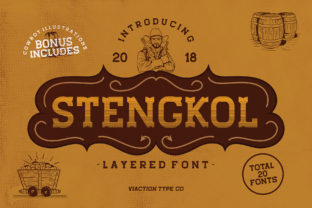
What truly sets Stengkol apart, however, is its versatility through variation. With an impressive range of 20 weights, this font family offers a spectrum of thickness that few display fonts can match. You can move from a delicate, hairline thin weight suitable for subheadings to a massive, ultra-bold black weight that dominates a poster layout. This extensive range allows for a complete visual hierarchy using a single font family. You can pair the "Stengkol Light" for body text with "Stengkol Bold" for headlines, ensuring perfect consistency across your entire project. The personality of the font is undeniably bold, but the clean lines keep it from feeling cluttered or archaic. It feels professional, grounded, and surprisingly versatile.
Practical Applications for Stengkol
When integrating a creative font like Stengkol into your workflow, context is everything. Because it is a slab serif, it carries a certain "voice"—one that is authoritative, confident, and slightly industrial. However, the modern execution of the letterforms makes it adaptable to various industries.
For brand identity, Stengkol is a powerhouse. It is an excellent choice for logo design, particularly for brands in the fitness, automotive, technology, or artisanal food sectors. The font’s heavy presence ensures that a logo remains recognizable even at small sizes or on busy backgrounds. If you are an entrepreneur launching a new product line, using Stengkol for your packaging design can instantly convey a sense of quality and substance. It tells the customer that the product inside is robust and well-made.
In the realm of editorial design and publishing, Stengkol shines as a display font. Think about the mastheads of magazines, the chapter openers of non-fiction books, or the headers of a dynamic blog. It grabs the reader's eye immediately. For content creators and bloggers, using Stengkol for your H1 and H2 tags creates a strong visual rhythm that guides the reader down the page. It breaks up the monotony of standard web fonts and adds a layer of professional polish to your site.
Designing with Cowboy Spirit
One of the most unique aspects of the Stengkol package is the inclusion of bonus assets. Typography rarely exists in a vacuum; it is part of a larger visual ecosystem. The creators of Stengkol understood this by including cowboy-themed illustrations. This addition transforms the font from a simple utility into a comprehensive design toolkit.
These illustrations are not just clipart; they are stylistic partners to the font. They share the same visual language—bold lines, high contrast, and a touch of rugged charm. This makes Stengkol particularly effective for specific niches. If you are working on a project for a rodeo, a country music event, a rugged outdoor brand, or even a vintage-themed wedding, these assets provide an immediate thematic cohesion. You can use these illustrations as spot graphics on social media graphics, as accents on business cards, or as part of a larger poster layout. The synergy between the slab serif font and the thematic art creates a storytelling opportunity that generic sans serif fonts simply cannot provide.
Mastering Font Pairings and Hierarchy
A common question among designers is how to pair a font with such a distinct personality. Stengkol is a "loud" font, meaning it demands attention. When you use a heavy weight for your headers, you need a companion that steps back and lets the headline shine. The best approach is contrast.
For body copy, avoid other slab serifs or heavy serif fonts. Instead, look for a clean, neutral sans serif font. A sans serif with open letterforms and a moderate x-height will complement Stengkol’s blocky structure without creating visual competition. Think of Stengkol as the "shout" and your body font as the "conversation." For example, pairing a bold weight of Stengkol with a light or regular weight of a geometric sans serif creates a classic, balanced look that is easy to read on both web and print.
Another effective strategy is to use Stengkol alongside a flowing script font or handwritten font. The rigid geometry of the slab serif plays beautifully against the organic flow of a script. This combination is particularly popular in wedding stationery, lifestyle branding, and artisanal product packaging. The script adds a human touch, while Stengkol provides the structural backbone of the layout.
Technical Considerations for Modern Projects
While the aesthetic appeal is obvious, practical application requires attention to technical details. As a premium font, Stengkol is designed for high performance, but you still need to consider how your audience will experience it.
Readability: Because Stengkol has a strong visual presence, it is best used for display purposes—headlines, titles, logos, and pull quotes. While the lighter weights can technically be used for short paragraphs of body text, the distinct "slab" nature can cause visual fatigue in long-form reading. Reserve the heavy lifting for the headlines where the font's details can be appreciated at a larger scale.
Digital vs. Print: In web design, ensure your font files are optimized for fast loading times. A font family with 20 weights can become heavy if not managed correctly. You likely won't need to load every single weight for a standard website; select the two or three that best serve your hierarchy. In print, Stengkol excels. The vector-based nature of the font ensures crisp edges on business cards, brochures, and large-format signage.
Licensing: Always verify the commercial license before using Stengkol in client work. Most premium fonts distinguish between desktop licenses (for print and static images) and web licenses (for @font-face implementation). If you are using the font for merchandise—like t-shirts or mugs—you may need an extended license. Understanding these distinctions protects your business and respects the type designer's craft.
Elevating Your Creative Assets
Ultimately, the tools you choose define the quality of your output. Stengkol is more than just a typeface; it is a design asset that injects personality and professionalism into your projects. Whether you are a small business owner crafting your first brand identity, a marketer designing a high-conversion landing page, or a crafter looking for that perfect vintage aesthetic, this font family offers the flexibility to get the job done.
The combination of 20 versatile weights and thematic illustrations makes it a rare find in the world of modern typography. It encourages you to be bold with your design choices while providing the technical range to maintain consistency. By understanding its strengths—its visual weight, its pairing potential, and its thematic roots—you can leverage Stengkol to create designs that not only look good but communicate effectively. It is a reminder that in a world of uniformity, a little bit of character goes a long way.