Lonely Person: Where Quirky Meets Clean
Every designer knows the feeling of searching for a typeface that doesn't scream for attention but still refuses to be boring. You want personality without chaos, and clarity without corporate stiffness. That specific balance is where Lonely Person lives. It is a premium font that manages to be both streamlined and playful, offering a solution for projects that need a modern touch with a distinct sense of individuality. If you are working on a brand identity that needs to feel approachable yet stylish, or a design asset that requires a friendly voice, this typeface is worth a closer look.
The Visual Personality of the Typeface
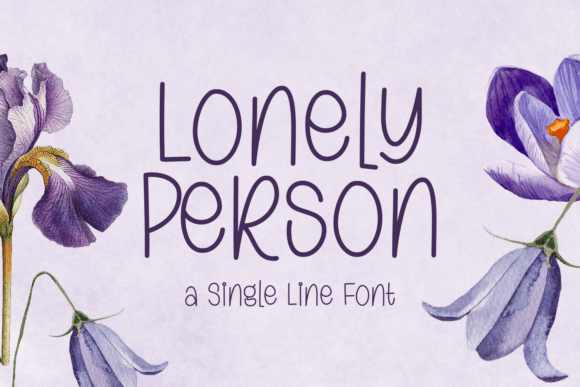
At its core, Lonely Person is a display font, but its design philosophy borrows from the simplicity of clean sans serif fonts while embracing the warmth often found in handwritten fonts. It features smooth, rounded edges and a consistent stroke width that ensures legibility, even at smaller sizes. The letterforms have a subtle bounce to them, avoiding the rigid geometry of standard sans serif fonts. This creates a rhythm in the text that feels organic and inviting.
Unlike a traditional script font that can sometimes look too formal or cursive, this typeface maintains a blocky, grounded structure. It sits comfortably between a logo design tool and an editorial design asset. The characters are distinct, which helps in maintaining readability across digital screens and printed materials. It captures a sense of "modern typography" that values white space and clean lines, but it does so with a wink rather than a stern stare.
Strategic Applications for Creative Professionals
Choosing the right font is less about following trends and more about solving communication problems. Lonely Person solves the problem of appearing too stiff. It is an excellent choice for entrepreneurs and small business owners who want their brand identity to feel human and relatable. Think about the coffee shop that wants to look professional but also cozy, or the lifestyle blogger who needs their headers to pop without overwhelming their photography.
Packaging and Physical Products
In packaging design, shelf appeal is everything. This font works beautifully for product lines that target a younger, creative demographic. Imagine it on the label of an artisanal jam, a craft beer, or a handmade soap. It conveys a sense of care and creativity. Because it is a commercial font with clear licensing, you can use it confidently on physical goods where a premium look is required.
Digital Presence and Web Design
For web design, Lonely Person shines as a hero text or for call-to-action buttons. It draws the eye without the aggressive sales pitch often associated with bold, blocky typefaces. When used in social media graphics, it cuts through the noise. Its distinct shape makes it highly recognizable, which is crucial for building consistency across platforms like Instagram or Pinterest.
Editorial and Publishing
Publishers and content creators can use this typeface for book covers, particularly in young adult fiction, self-help, or lifestyle genres. It works well for chapter titles or pull quotes in editorial design. However, because it is a display font, it is not intended for long-form body text. Pair it with a highly legible serif font or a neutral sans serif font for the body copy to maintain a professional hierarchy.
Designing with Intent: Readability and Hierarchy
A common mistake in design is prioritizing style over function. While Lonely Person is undeniably stylish, its utility lies in its clarity. Good modern typography guides the reader's eye. This typeface naturally creates a strong visual hierarchy when used for headers. It signals to the reader, "Look here first," before handing them off to the supporting text.
When considering font pairing, contrast is your friend. Because Lonely Person has a rounded, friendly aesthetic, it pairs well with sharper, more geometric sans serif fonts for body text. It also sits nicely alongside traditional serif fonts, creating a bridge between classic elegance and modern playfulness. Avoid pairing it with other highly decorative or handwritten fonts, as this will create visual clutter and damage readability.
Practical Guide to Implementation
If you are considering integrating this typeface into your workflow, there are a few practical steps to ensure success. As a creative font, it requires a bit of breathing room to work effectively.
- Evaluate the Context: Before applying it, look at the surrounding elements. If your design is already very busy with illustrations or textures, a cleaner font might be better. Lonely Person works best when it has space to breathe.
- Check the Licensing: Always verify the commercial font licensing. Ensure that the license covers your specific usage, whether it is for a single client project, a series of social media templates, or mass-produced merchandise.
- Test for Legibility: Type out your specific copy in the font. Check how the letters connect (if at all) and how numbers and special characters look. Some playful fonts have quirky numbers that might not suit a financial report but are perfect for a party invitation.
- Explore Styles: Check if the typeface comes with different weights or styles. Having a bold or italic version allows for more flexibility in your design assets, helping you emphasize key points without switching fonts.
Final Thoughts on Utility
Lonely Person is more than just a collection of vectors; it is a tool for storytelling. It tells your audience that you are creative, approachable, and detail-oriented. Whether you are designing a wedding invitation, branding a new startup, or creating digital content, this typeface offers a reliable way to inject personality into your work. It bridges the gap between the sterile efficiency of corporate design and the chaotic energy of experimental art. For the designer looking to strike that balance, it is a valuable addition to the toolkit.