Dot Tracing: Ignite Creativity and Skill Development
The Unique Appeal of a Dotted Typeface
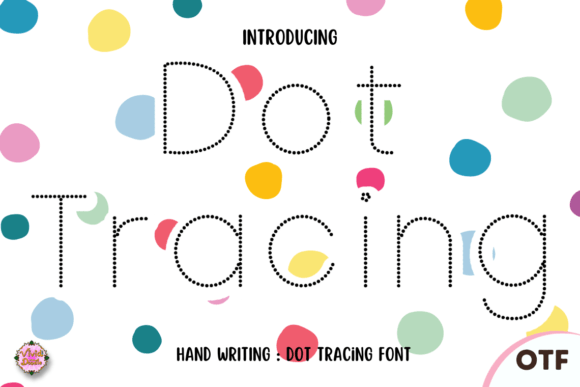
In the vast world of modern typography, finding a typeface that balances aesthetic charm with genuine utility is rare. Dot Tracing is a premium font that achieves this balance with remarkable elegance. Visually, it presents letterforms as a series of carefully spaced dots, creating outlines that are both delicate and distinct. This isn't just a decorative choice; it's a functional design characteristic. The font’s personality is one of playful precision—it feels educational, creative, and intentionally crafted. The dotted style softens the rigidity of traditional letterforms, making it an approachable and engaging creative font for a wide array of projects. Its appeal lies in its ability to evoke a sense of guided practice and artistic potential simultaneously.
Where This Display Font Truly Shines
Understanding where Dot Tracing fits best is key to leveraging its strengths. This is not a font for body copy in a lengthy report, but as a display font, it excels in contexts where attention and interaction are desired. Consider its application in educational materials, from children's workbooks to adult learning guides for new scripts or languages. The dotted outlines are a natural invitation to trace, making it perfect for worksheets, activity books, and interactive PDFs. Beyond education, its charm translates beautifully into creative branding and packaging design. Imagine a logo for a craft studio, a boutique stationery brand, or a children's toy company—the Dot Tracing font immediately communicates a hands-on, creative ethos.
For entrepreneurs and small business owners, this typeface offers a distinctive edge in marketing and social media graphics. Use it for standout headlines on Instagram posts, eye-catching quotes on Pinterest, or unique section headers in a newsletter. Its playful nature makes it ideal for seasonal promotions, workshop announcements, or any campaign aiming to foster a sense of community and participation. In editorial design, it can be used for chapter titles or pull quotes in magazines and blogs that focus on art, DIY, or family life, adding a layer of tactile charm to the layout.
Strategic Impact on Brand and Engagement
Choosing a font like Dot Tracing is a strategic decision that influences more than just aesthetics; it shapes perception and engagement. A typeface with this level of distinctiveness aids in brand recognition. When used consistently across your brand identity—from your website headers to your packaging inserts—it becomes a recognizable signature. This consistency builds professionalism and trust with your audience. The font’s inherent readability for short bursts of text is excellent, as the dotted pattern is clear at larger sizes, ensuring your message is communicated effectively while maintaining its unique character.
Furthermore, Dot Tracing can significantly enhance audience engagement. Its interactive visual quality naturally draws the eye, making it a powerful tool for visual hierarchy. Use it to highlight a call-to-action, a special offer, or a key piece of information. The font’s style encourages a second look, increasing the time a viewer spends with your material. This is particularly valuable in digital spaces like web design and social media, where capturing fleeting attention is crucial. By incorporating this font, you're not just displaying text; you're creating an experience that invites interaction, whether literal or visual.
Practical Guidance for Implementation
Integrating Dot Tracing into your design toolkit requires thoughtful consideration. First, always evaluate the project's fit. This font is a specialist, not a generalist. It's perfect for headings, logos, and short, impactful text but will lose its effectiveness and readability in long paragraphs. Test it thoroughly in your intended context—view it on different screens and in print proofs if possible.
Pairing is where the magic happens. Dot Tracing works beautifully with clean, simple fonts to create contrast and balance. Consider pairing it with a neutral sans serif font for body text or a classic serif font for a more sophisticated look. Avoid pairing it with other highly decorative or script fonts, as this can create visual clutter. Many premium font packages, including potential Dot Tracing offerings, may include different weights or styles—review these carefully. A lighter weight might offer a more subtle effect, while a bolder version can increase impact.
Finally, understand the licensing. If you're using Dot Tracing for a client project, merchandise, or digital products for sale, ensure you have the correct commercial font license. This is a non-negotiable step in professional practice. By thoughtfully applying Dot Tracing, you add a valuable, versatile, and engaging asset to your design repertoire, one that genuinely bridges the gap between creative art and effective practice.