Amarillo: The Elegant Script for Timeless Brand Identity
There is a specific moment in the design process where a project stops looking like a rough draft and starts feeling like a brand. Often, that transformation happens with the typography. If you are working on a project that demands sophistication without stiffness, Amarillo is the typeface you should have on your radar. It is an elegant calligraphy font that bridges the gap between high-end luxury and the warmth of natural handwriting.
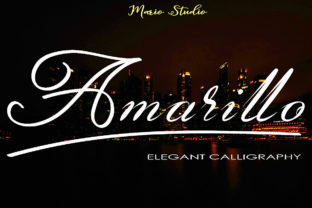
As a creative professional, I have seen countless script fonts come and go. Many of them are either too messy to read or so rigid they look robotic. Amarillo hits a different chord. It possesses a fluid, rhythmic baseline that mimics the movement of a skilled hand holding a dip pen. The strokes are confident, featuring that natural inconsistency which makes handwritten typography so appealing. It doesn't just sit on the page; it dances. This premium font offers a level of detail that suggests a high price tag, making it an invaluable asset for designers who want to elevate their work instantly.
The Visual Personality of Amarillo
When we talk about the "personality" of a typeface, we are really talking about the emotions it triggers. Amarillo leans heavily into luxury and romance. It is a script font characterized by flowing ligatures and graceful loops. Unlike a standard handwritten font that might look like a grocery list note, Amarillo looks like a love letter or a signature on a high-value contract.
One of its strongest visual traits is its legibility. In the world of modern typography, script fonts are notorious for being difficult to read at smaller sizes. However, Amarillo maintains its structure well. The spacing between letters is generous enough to prevent the text from becoming a tangled mess, yet tight enough to maintain that connected, cursive flow. This balance makes it a versatile display font. It commands attention in headlines but doesn't alienate the viewer.
Strategic Applications: Where to Use This Typeface
Knowing a font looks nice is one thing; knowing exactly where to deploy it is where the strategy comes in. Because of its elegant nature, Amarillo is not a "one-size-fits-all" solution for body text. You wouldn't set a 500-word blog post in this font. Instead, it serves as a powerful accent tool. Here is where it truly shines:
- Logo Design and Brand Identity: If you are building a brand for a boutique, a salon, a wedding planner, or a high-end consultancy, Amarillo can serve as the primary wordmark. It instantly communicates exclusivity and personal attention.
- Packaging Design: For products like cosmetics, artisanal foods, or luxury candles, this font adds a tactile feel to the packaging. It suggests that the product inside is crafted with care.
- Editorial and Publishing: Magazine headers and chapter titles often need a touch of flair. Pairing Amarillo with a clean serif font or a minimalist sans serif font creates a beautiful visual hierarchy that guides the reader's eye.
- Digital and Social Media: In the fast-scrolling world of Instagram or Pinterest, a quote set in Amarillo stops the thumb. It is perfect for watermarks on photography, giving credit to the artist without ruining the image's aesthetics.
Mastering the Pairing: Hierarchy and Readability
The most common mistake I see with elegant fonts is isolation. Using Amarillo for a headline is great, but you need the right supporting cast. Because Amarillo is a high-contrast, decorative script, it pairs best with something quiet and structured.
For a sophisticated, modern look, try pairing Amarillo with a geometric sans serif font. The sharp, clean lines of the sans serif will anchor the fluidity of the script, creating a dynamic contrast. If you are going for a more traditional, "heritage" brand feel, combine it with an old-style serif font. The serifs will complement the classic calligraphic roots of the Amarillo typeface.
Regarding readability, context is key. This creative font is designed for short bursts of text. Use it for:
- Headlines and Sub-headers
- Pull Quotes
- Logo Wordmarks
- Call-to-Action buttons (provided the text is large)
- Stationery (Business cards, Invitations)
Avoid using Amarillo for long paragraphs, technical specifications, or legal disclaimers. If you force the viewer to squint to read your message, the design has failed, no matter how pretty the letters are.
Evaluating the Asset: Licensing and Versatility
When investing in design assets, versatility is the currency. You want a font that works across multiple mediums. Amarillo is robust enough for large-scale print design—think posters and album covers—while maintaining its charm on digital screens. This cross-platform reliability is what separates a cheap free font from a professional commercial font.
Before you finalize your purchase or download, always review the licensing terms. If you are a freelancer creating a logo for a client, you generally need a license that covers commercial use. If you are a crafter making t-shirts to sell on Etsy, you need to ensure the license covers physical end-products. Amarillo typically offers the flexibility needed for these commercial applications, but checking the specific terms ensures you are protecting your business and your client.
Ultimately, typography is the voice of your brand. While web design trends shift constantly, the appeal of natural, elegant handwriting remains timeless. Amarillo offers that timeless quality. It brings a human touch to digital interfaces and a luxurious weight to printed materials. Whether you are designing a wedding invitation or a corporate brand deck, incorporating this font adds a layer of polish that generic fonts simply cannot replicate.